
Herbal Beverages for Daily Health: Transform Your Wellness Routine
Discover the complete preparation guide to unlock the full potential of nature's most powerful healing herbs. Learn professional techniques used by wellness experts across the Philippines.
The information on this site is for educational purposes only and does not constitute medical advice. Always consult a qualified healthcare professional before making health decisions.
5-Step Preparation Mastery Guide
Master the essential techniques to extract maximum nutrition and wellness benefits from every herbal brew.
Select Quality Herbs
Choose fresh, organic herbs from trusted sources. Look for vibrant color, strong aroma, and proper storage conditions. Quality herbs ensure maximum potency and safety for your daily wellness practice.
Measure Accurately
Use proper proportions: typically one teaspoon of dried herbs or two teaspoons of fresh herbs per cup of water. Precise measurements ensure consistent results and optimal health benefits with every brew.
Heat Water Properly
Heat water to 160-200°F (70-93°C) depending on the herb type. Avoid boiling, which destroys delicate compounds. Gentle heating preserves the therapeutic properties while releasing beneficial nutrients into your beverage.
Steep with Intent
Steep for 5-15 minutes based on herb type and desired strength. Cover your cup to retain steam and volatile oils. Allow adequate time for full extraction of healing compounds and beneficial plant properties.
Enjoy with Consistency
Drink your herbal beverages regularly—ideally once or twice daily—to experience cumulative wellness benefits. Consistency is key to supporting your body's natural healing processes and maintaining long-term health gains.
Visual Guide to Herbal Infusions
Explore essential herbs and their preparation techniques with detailed visual examples.
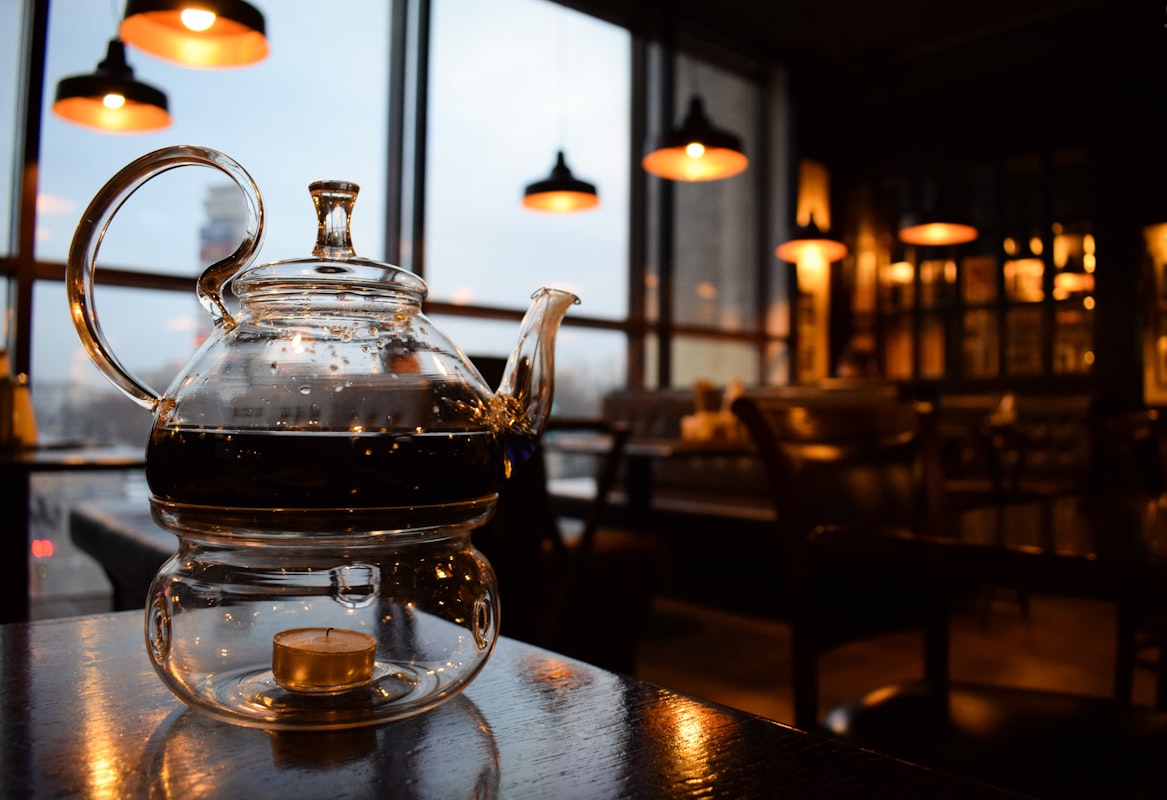
Ginger Root Infusion
Slice fresh ginger root thinly and steep in hot water for 10-15 minutes. Traditionally used to support digestion, this infusion is also enjoyed for its warming properties. Best enjoyed warm for maximum benefit.
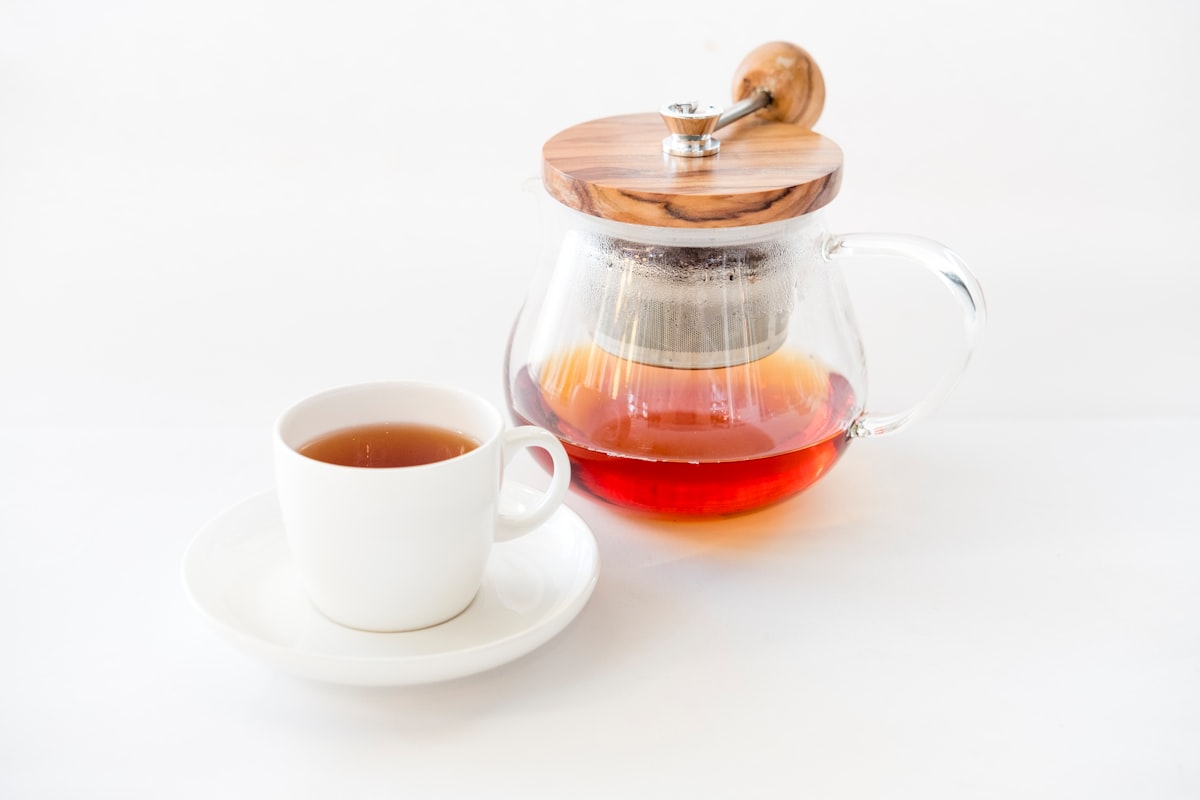
Chamomile Flowers
Use one tablespoon of dried chamomile flowers per cup and steep for 5-7 minutes. Perfect for evening relaxation, promoting restful sleep, and calming the nervous system. Gentle and soothing.

Peppermint Leaves
Crush fresh peppermint leaves gently and steep for 5-10 minutes in hot water. Excellent for digestive comfort, mental clarity, and refreshing the palate. Naturally caffeine-free and invigorating.

Turmeric Root Brew
Combine fresh turmeric with black pepper and simmer for 10 minutes. Enhanced absorption when taken with healthy fats. Known for supporting joint flexibility and overall immune system resilience.
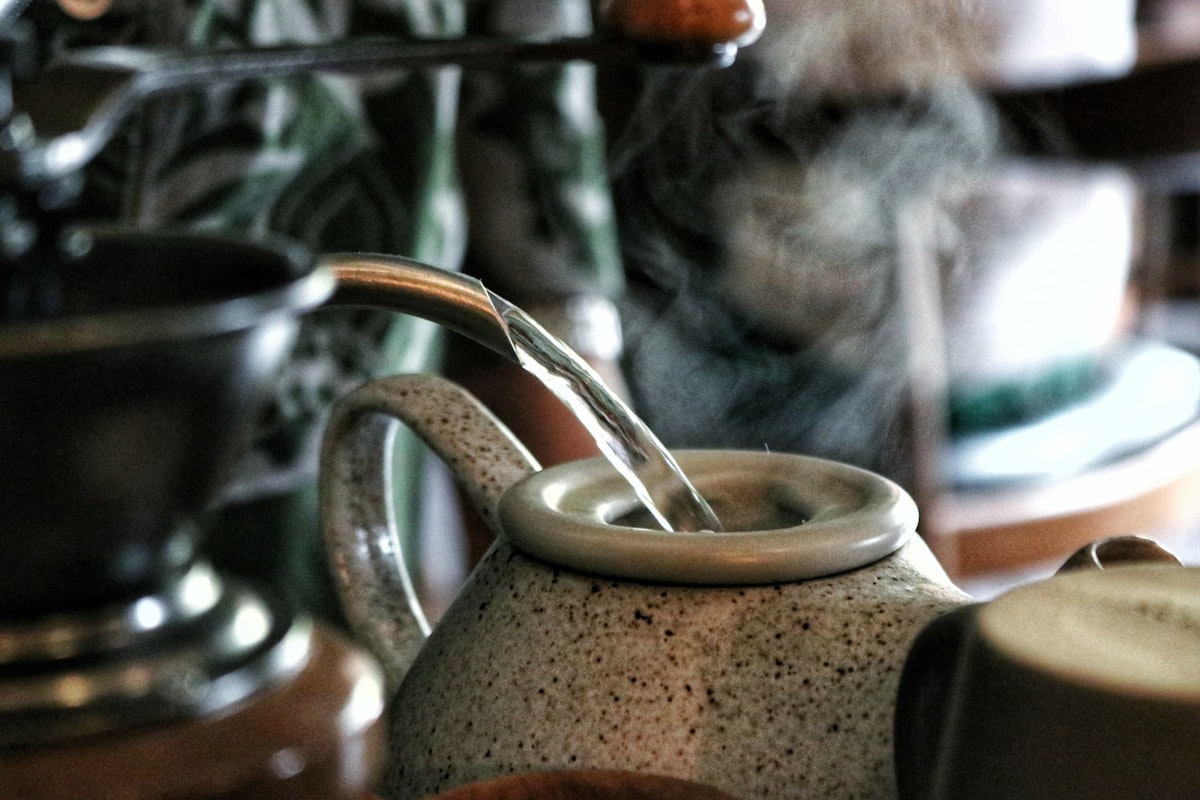
Lemongrass Tea
Chop fresh lemongrass and steep for 7-10 minutes in hot water. Bright citrus flavor supports energy levels and mental focus. Popular throughout Southeast Asia for its refreshing properties and daily wellness benefits.
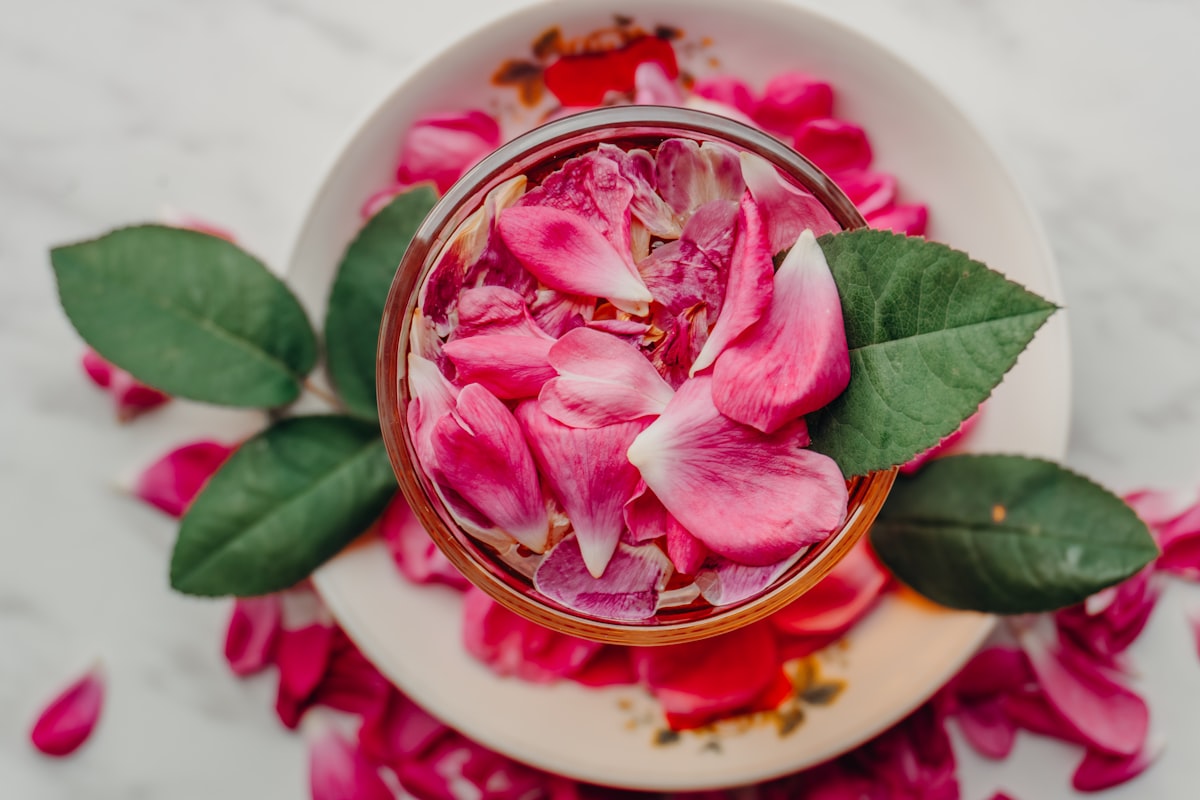
Hibiscus Petals
Steep one tablespoon of dried hibiscus flowers for 10-15 minutes. Creates a beautiful deep red infusion rich in antioxidants. Supports cardiovascular health and provides a naturally tart, refreshing taste profile.
Key Health Benefits & Properties
Understand the science behind herbal wellness and how daily preparation supports your body naturally.
Deep Hydration & Nutrient Absorption
Herbal infusions deliver bioavailable minerals and vitamins directly into your system. The warm liquid enhances absorption efficiency compared to cold water alone. Regular consumption supports cellular function and metabolic health throughout your entire day.
Natural Immune System Support
Herbs like ginger, turmeric, and hibiscus contain powerful phytonutrients that strengthen your body's natural defenses. Antioxidants and antimicrobial compounds work synergistically to maintain wellness. Consistent daily preparation builds resilience from within.
Mental Clarity & Cognitive Function
Herbal beverages enhance blood flow to the brain and reduce mental fog. Ingredients like lemongrass and peppermint promote alertness and focus naturally. The ritual of mindful tea preparation also supports emotional balance and stress reduction daily.
Enhanced Digestive Wellness
Ginger, peppermint, and chamomile directly support your digestive tract's natural functions. These herbs reduce bloating, promote healthy stomach acid production, and encourage optimal nutrient extraction. Daily herbal preparation aids comfortable digestion after meals.
Cardiovascular & Anti-inflammatory Support
Turmeric and hibiscus contain compounds that support healthy circulation and reduce inflammation throughout your body. Regular herbal consumption helps maintain balanced blood pressure and supports overall cardiovascular wellness naturally.
Restful Sleep & Relaxation
Chamomile and other calming herbs naturally reduce tension and prepare your body for quality rest. Evening herbal preparation signals your nervous system to shift into relaxation mode. Consistent daily practice supports deeper, more restorative sleep patterns.
Essential Herbs & Their Uses
A complete reference guide to common healing herbs and their specific wellness applications.
| Herb Name | Primary Benefits | Preparation | Best Time |
|---|---|---|---|
| Ginger Root | Digestion, circulation, anti-inflammatory | Slice thin, steep 10-15 minutes | Morning or after meals |
| Chamomile | Relaxation, sleep support, calming | Dried flowers, steep 5-7 minutes | Evening before bed |
| Peppermint | Mental clarity, digestive comfort | Fresh leaves, steep 5-10 minutes | Morning or afternoon |
| Turmeric | Joint support, immunity, anti-inflammatory | Simmer with black pepper, 10 minutes | Morning with food |
| Lemongrass | Energy, mental focus, detoxification | Chopped fresh, steep 7-10 minutes | Morning or midday |
| Hibiscus | Antioxidants, cardiovascular support | Dried petals, steep 10-15 minutes | Any time of day |
Common Questions About Herbal Preparation
Find answers to frequently asked questions about preparation techniques and daily practice.
The standard guideline is one teaspoon of dried herbs or two teaspoons of fresh herbs per eight-ounce cup of water. However, this can vary slightly depending on the herb's potency and your personal preference. Start with the standard amount and adjust based on the strength of flavor and your desired intensity. Some stronger herbs like ginger may benefit from slightly less, while milder herbs like chamomile can be increased slightly for stronger infusions.
Most herbs benefit from water heated to 160-200°F (70-93°C). This range is hot enough to extract beneficial compounds without damaging delicate plant structures or volatile oils. Avoid boiling water, which can destroy heat-sensitive antioxidants and diminish the herb's therapeutic properties. If you don't have a thermometer, let boiled water cool for about three to five minutes before pouring. Delicate flowers like chamomile prefer lower temperatures, while roots like ginger can handle slightly hotter water.
Steeping time varies by herb type. Delicate flowers like chamomile need just 5-7 minutes, while sturdy roots like ginger benefit from 10-15 minutes of steeping. Leafy herbs like peppermint typically need 5-10 minutes. Always cover your cup while steeping to retain steam and preserve volatile oils that carry beneficial compounds. If you steep too long, some herbs can become bitter, while insufficient steeping may not fully release their wellness properties. Experiment to find your perfect balance of flavor and benefit.
Absolutely! Combining complementary herbs creates synergistic blends that amplify wellness benefits. For example, ginger and turmeric together enhance anti-inflammatory properties, while chamomile and peppermint create a soothing digestive blend. Use equal portions of each herb, adjusting ratios based on personal preference. Keep combinations to two or three herbs to maintain balance and prevent competing flavors. Allow extra steeping time—typically 12-15 minutes—for multi-herb blends to ensure full extraction of all beneficial compounds from each ingredient.
Both fresh and dried herbs offer benefits. Fresh herbs provide vibrant flavors and contain higher water content, while dried herbs are more concentrated in beneficial compounds and have longer shelf lives. Dried herbs are typically more potent, so you need less of them. Fresh herbs require about twice the amount to achieve similar strength. Choose based on availability and storage capacity. Dried herbs are excellent for regular daily practice and are easier to store, while fresh herbs offer seasonal variety and immediate use when available from your garden or local market.
For optimal wellness benefits, consume herbal infusions daily—ideally once in the morning and once in the evening, totaling two cups daily. Consistency is more important than quantity; regular daily practice allows your body to experience cumulative benefits over weeks and months. Start with one cup daily and gradually increase if desired. Listen to your body and adjust frequency based on personal response and overall wellness goals. Some individuals prefer morning energy-focused herbs while others prioritize evening relaxation blends for better sleep quality and recovery.
Real Results from Daily Users
Discover how readers across the Philippines have transformed their wellness routines with consistent herbal preparation.